
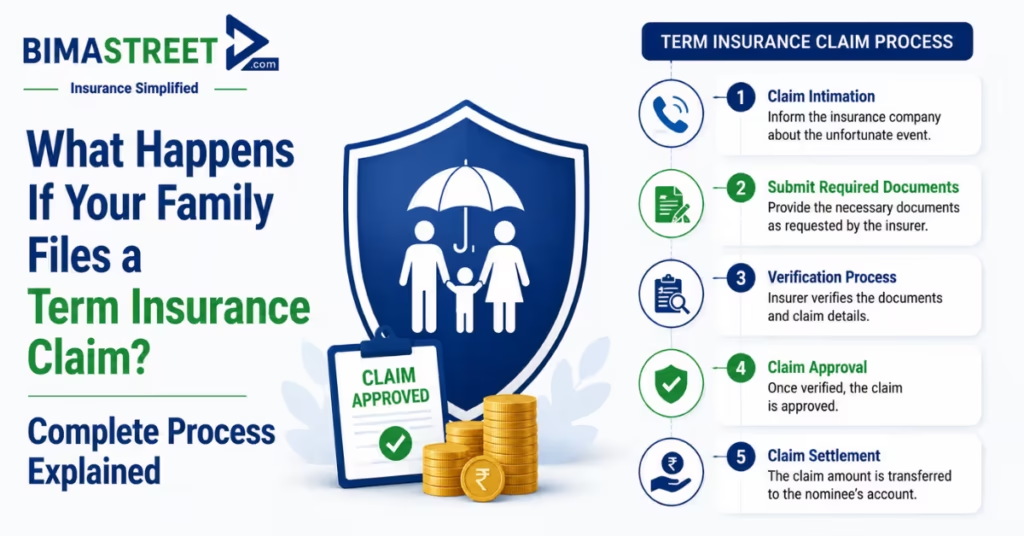
What Happens If Your Family Files a Term Insurance Claim? Complete Process Explained
The Term Insurance Claim process starts when the nominee or an individual designated by law as entitled to the deceased policy holder notifies the insurance company about the death of the policyholder and submits required documents No amount of money can ever replace the loss of a loved one, however, based on the terms and conditions of the policy, a term insurance can ease some financial burden from family The claim procedure is also likely to be new territory for many families, who may not take well to the added stress of a claim at what is already such an emotional time Knowing the steps involved can minimize confusion and also ensure that the correct documents are submitted In this guide, we discuss how the Term Insurance Claim Process works, what documents or list of Key Documents are generally required and tips such that families can move through this process with greater confidence Step 1: Inform the Insurance Company Notify the Insurer Promptly The initial step involves notifying the insurance company of the death Many of the insurers provide different channels to register a claim, such as customer care, branch offices, official websites or mobile apps in case you have one When you let the insurance company know (which you should do immediately), be prepared with basic information like Policy number. Name of the insured person. Date of death. Nominee details. Contact information. The insurer will then tell you what to do next and send you the relevant claim forms. Step 2: Submit the Required Documents Keep Important Documents Ready Depending on the insurer and the type of claim, specific documents may differ, Commonly requested documents include Original or copy of the policy document (if required). Duly completed claim form. Death certificate issued by the competent authority. Identity and address proof of the nominee. Bank account details of the nominee. Medical records or hospital documents (where applicable). Additional documents if requested by the insurer The process can get unnecessarily delayed if you do not submit complete and correct documents. Step 3: Claim Verification Assessment by the Insurance Company Once the insurance company receives the claim, it goes through the documents you submitted and verifies your policy information Others will be different based on the provider, type of claim and circumstances they may Verify policy information. Review supporting documents. Request additional information. Conduct further assessment if required. All claims are evaluated in relation to the terms and conditions of a policy Step 4: Claim Decision Approval or Further Clarification Once you complete the verification process, the insurer finds out whether or not you are eligible for a claim The insurer may reach out to the nominee if further information or document is required before arrival at the decision This can depend on the validity of policy, compliance with policy terms or successful assessment by an insurer Common Reasons for Claim Delays How Families Can Avoid Them Here are a few common reasons claims take longer to process: Incomplete documentation. Incorrect nominee details. Missing claim forms. Delay in submitting required documents. Requests for additional verification Improving the claim experience by ensuring 100 percent of the documents are accurate and complete Tips for a Smooth Term Insurance Claim Process Best Practices For the benefit of your family later in life Inform your nominee about the policy. Keep policy documents in a safe place. Update nominee details whenever necessary. Maintain accurate personal information. Share policy details with trusted family members. Review your policy periodically. Keeping proper records makes it easier for your family to make the claim Frequently Asked Questions Who can file a term insurance claim? Usually the nominee who is named in the policy will set off the claim Depending on the type of insurance, the legal heir or another eligible claimant may be allowed to file the claim as well, based on insurer regulations and applicable laws How long does a term insurance claim take? It depends on the insurer, on how complete your documents are, and on whether there are any issues with the claim Insurers mainly settle claims as per the respective regulatory timelines, provided all required documents are in place Can an insurer ask for additional documents? Yes. Depending on the type of claim, the insurer might also ask for either more documents or clarification when assessing the claim Conclusion Since families are not fairly acquainted with the process they are vulnerable and clueless when placing a declaration Notifying the insurer on time, submitting complete documents, and ensuring policy information is correct may help in simpler processing of claims Along with this, it becomes important to inform the nominee about the term insurance policy details, keep the documents updated and review your coverage periodically. Today making provisions makes it easier to access funding when your family needs it most At BimaStreet, we believe informed decisions lead to better protection. Understanding your options today can help you secure a healthier and more financially confident tomorrow